
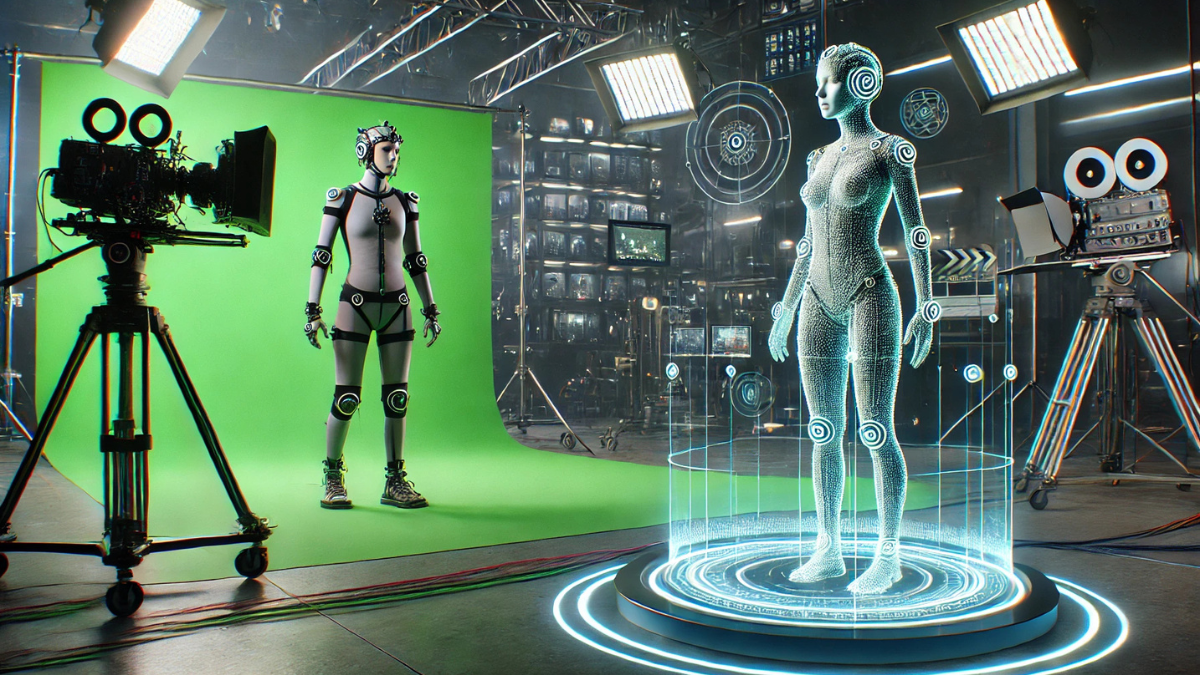
In 2025, the future of film isn’t just about better CGI or bigger budgets—it’s about whether your favorite actor is even real. Thanks to rapid advances in AI-generated actors and deepfake technology, Hollywood is entering a bold new era of synthetic performance.
But as digital doubles take center stage, it raises big questions: Can AI replace human actors? Should it?
Let’s dive into the current state of AI in entertainment, and where this fast-moving trend is headed.
1. AI Actors Are Already Here
In 2025, we’ve seen entire film characters generated by AI:
- Voice + face generated using deep learning
- Motion captured via neural rendering
- Realistic emotions powered by LLM-based scripting tools
Studios are now casting fully digital actors for:
- Background extras
- Commercials & animated shorts
- Indie films and concept projects
Example:
Netflix’s Echo Frame featured a supporting character entirely voiced and animated by AI.
2. Deepfake Doubles for Aging & Resurrections
Deepfake tools have evolved beyond gimmicks. Now, they’re helping studios:
- De-age actors for flashback scenes
- Recreate performances from late legends with family consent
- Allow real actors to “be” in multiple films at once
Real-World Use:
- A 2025 war epic featured a young Harrison Ford—digitally recreated from 1980s footage
- A deceased pop star made a virtual cameo in a new biopic with estate approval
3. Virtual Performers & Influencers Rise
AI-generated influencers and entertainers are becoming full-on celebrities:
- Virtual singers with global followings
- Instagram models with sponsorships
- Talk show hosts powered by GPT-like personalities
Trending Now:
Lil Miquela 3.0, a virtual performer, just signed a multi-picture deal with a major animation studio.
4. Ethical & Legal Questions Are Mounting
As tech improves, so do the concerns:
- Who owns an AI-generated likeness?
- Should actors be paid if their face or voice is cloned?
- Can deepfakes be used without consent for satire or political art?
In the Courts:
Multiple lawsuits in 2025 are attempting to define AI rights, ownership, and performer protections.
5. New Roles for Human Actors
AI isn’t ending acting—it’s evolving it. In 2025, human performers are being hired as:
- Performance consultants to guide AI emotion rendering
- Voice trainers for neural audio models
- Writers for synthetic characters’ dialogue
The blending of real and virtual talent is becoming more collaborative than competitive.
6. Audience Acceptance Is Growing
Most viewers can now spot deepfakes—but many don’t mind when the story and execution are strong. In fact, some prefer the novelty.
Key Insight:
AI-generated characters are being rated equally with human performances in user reviews—for visual storytelling, at least.
Final Thoughts
Hollywood in 2025 is at a turning point. AI actors and deepfake technology are no longer sci-fi—they’re a creative tool, a production shortcut, and a philosophical debate rolled into one.
Will they replace human actors entirely? Probably not. But they will change how stories are told, who gets cast, and what’s even possible on screen.
In this new era of entertainment, the question isn’t if AI belongs in Hollywood—it’s how we choose to use it.

